Full Name
Rob Lambert
Rob Lambert's Work
231 Posts


Every workplace runs on rules — the only question is whether they're written where everyone can see them, or unwritten and known only to the insiders. Why explicit rules are fairer, kinder to newcomers, and freer than unspoken norms.
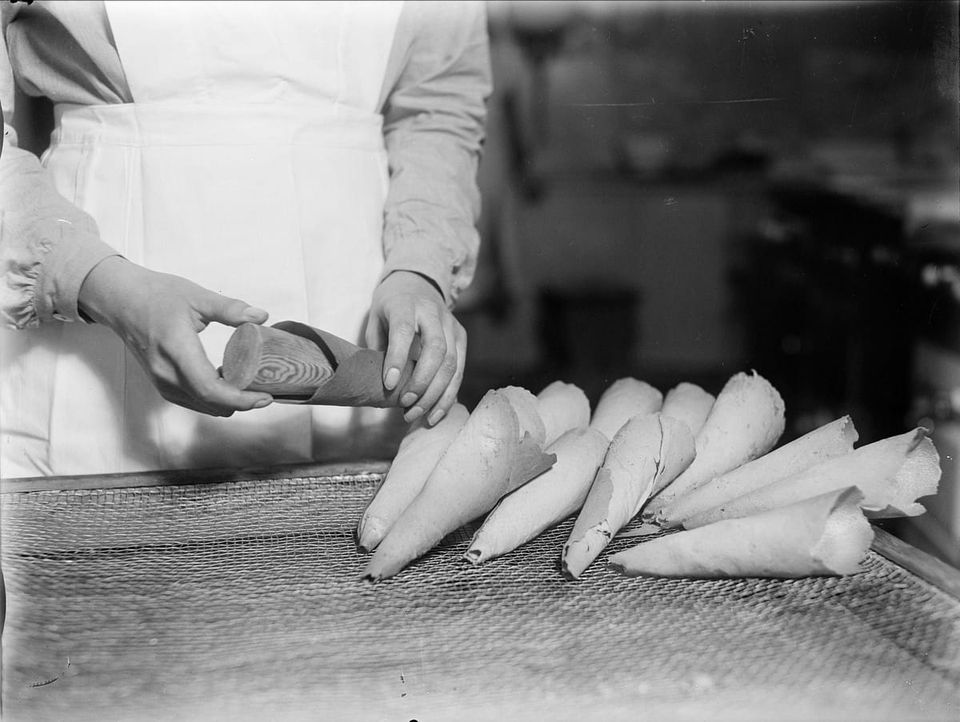
Mix the right skills, personalities and behaviours and you get a team — or, really, you get batter. Something still has to add the heat. On motivating a team: the kinds of energy a leader can apply, and which ones actually cook.

On Time Speak — the tiny habit of saying not just what you'll do, but when — and how it builds a reputation for trust.
Every organisation is a book, and right now — noticed or not — you're writing a chapter of it. On leadership, storytelling, and the difference between authoring your year and having it happen to you.

We like to believe what we wear doesn't matter. It does — and not only in how others read us, but in how we perform ourselves. On the research into clothing, confidence and "enclothed cognition", and the small wardrobe of triggers I use to change gear.

It's one of the uncomfortable truths of being in business: you are always solving problems, and there are always more of them than you could realistically solve.

A leadership away day, a CEO who walked out — and why DISC is less a communication tool than an energy one. On style, flex, and working with your grain instead of against it.
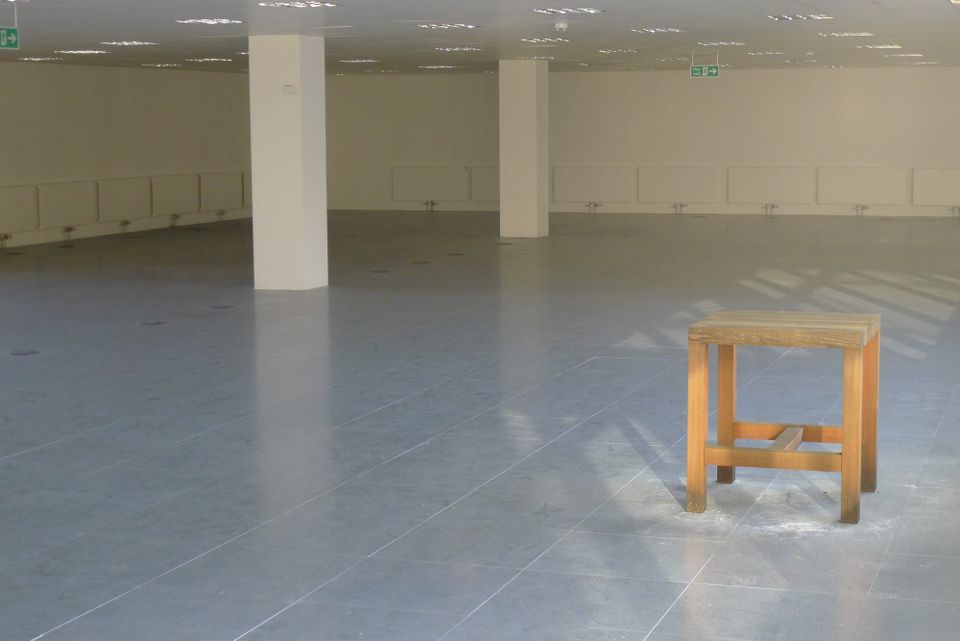
Every space teaches you how to behave in it - long before you decide. On environmental affordance, dedicated spaces, and designing a workspace (even a kitchen corner) for the work you actually want to do.

The old Japanese proverb, the little weighted doll behind it (and the Weebles), and what resilience actually turns out to be — once you stop mistaking it for strength.