The white van man with the biscuits
The M25 is not designed to run at maximum capacity. Neither is a work system. Why slack isn't wasted capacity — and how to protect the space where human creativity happens.

Updated 3rd Aug 2026
When the road is full
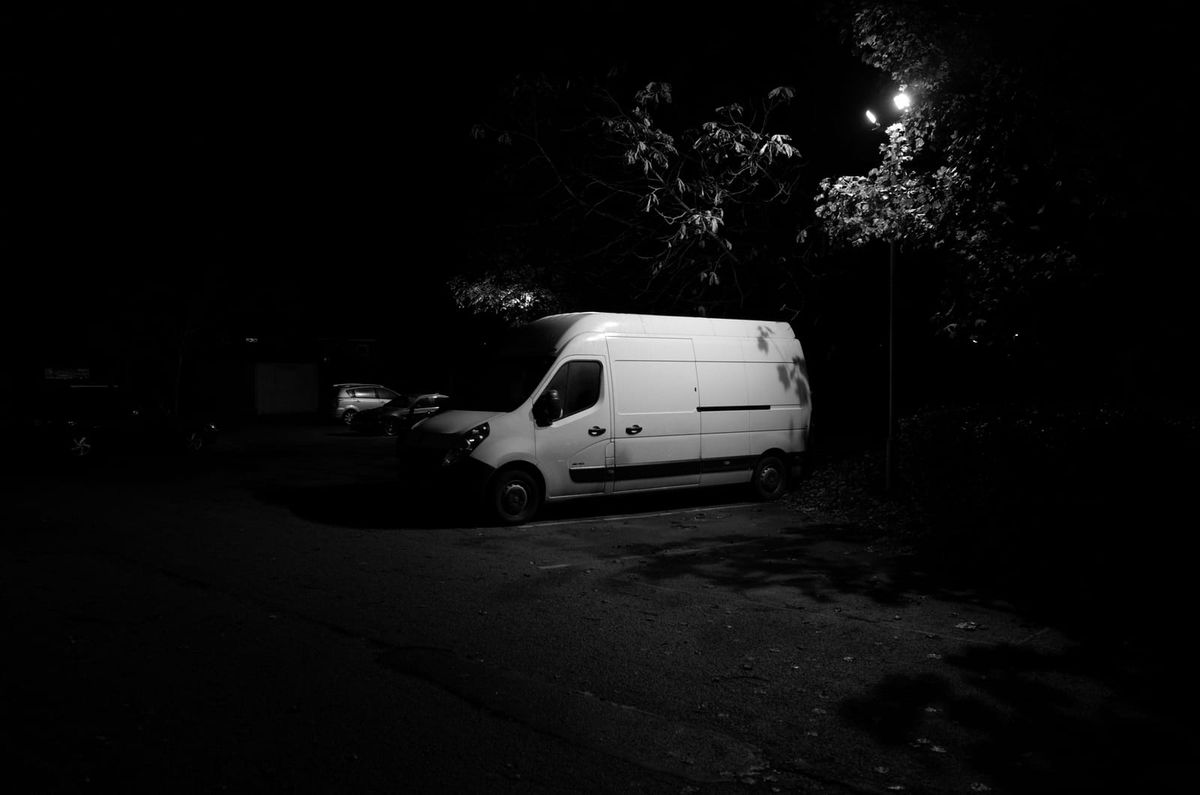
It's a deeply frustrating experience being stuck in the middle lane of the M25, covering about a mile every hour or so. I tend to ponder what I'm doing with my life at times like this, as I watch a man in a white van demolishing a packet of biscuits and Coke Zero. I wish I had some food.
On the overhead gantry, in those magnificent big letters, is the speed limit; 40 mph. We're doing about 1. I check Waze and it tells me there's no accident, no breakdown, no roadworks, no lane closure. It's just busy. Really very busy indeed. The motorway has simply filled up to capacity — and a motorway, once it's full, stops moving. We're at that point now; the fine line between a car park and a road.
This is the part traffic engineers have known for decades and the rest of us don't always see: a road carries the most cars not when it's full, but at around seventy percent of full – maybe 80 depending on who you speak to. Push past that and flow collapses to give way to jams and slow downs. One tap of the brakes ripples backward, 3 miles away, into a standstill, because there's no space left in the system to absorb it. Maximum capacity, minimum movement. The fullest road is often the slowest one.
Now, isn't that an idea worth playing with when you're stuck in traffic? Because I've worked in a great many places run exactly like a motorway at a hundred percent — every hour booked, every person on four things at once, every gap treated as waste to be optimised away, everyone saying "let's do more with less". And they jam for precisely the same reason.
One unexpected problem, one person off sick (which is highly probable in these types of organisations), one urgent request lands, and the whole thing seizes — because there was never any room to absorb the surprise. And work is more or less nothing but surprises. There's also the space and time needed to learn, to create, to be human, to recover. That often gets squeezed out too.
I think we tend to confuse two things that feel alike and aren't: how full a system is, and how much actually moves through it. Capacity and flow. A calendar packed to the brim holds the most meetings and moves the least work, especially if anything goes wrong. A team loaded to the brim looks staggeringly busy and often ships surprisingly little, because everything's sitting at eighty percent done, waiting behind something else, as even more new work floods in. Full isn't the same as productive towards value. More often it's the opposite of it.
The rather uncomfortable fix, which can require epic levels of bravery in some organisations, is to leave room on purpose, which sounds like some antiquated approach from the 1970s. Slack — the very thing that looks like waste on a spreadsheet, the empty hour a manager itches to fill with something measurable. But slack isn't the absence of work. It's the space that lets the work move: room to absorb a problem, to follow a half-formed idea, to notice the thing coming undone before it becomes a crisis, or a missed deadline. Take slack out, or not make space for it in the first place, and you often don't get more done. You just create less time between now and things coming to a standstill.
Ahead of me, the traffic begins to creep as I search through the radio for someone to keep me company. The creeping traffic isn't because the road somehow grew more capacity or got wider, but because somewhere up front enough space opened up for movement to return.
So the next time a week looks reassuringly full — every slot taken, no gaps, nothing wasted — it's worth asking whether you've built a productive system or a very tidy traffic jam. The emptier road tends to get there first.
As I try to change lanes, the biscuit man waves me out ahead of him. We're a friendly bunch really, especially as we're moving again.
Where this sits in the Atlas
Orientation·Idea to Value·Communication·Creativity & Climate·Learning