Creativity & Climate (Engine)
Creativity and climate — the conditions that allow good work to happen. Articles in this layer explore environment, energy, creative practice, and what leaders do to make good thinking more likely.
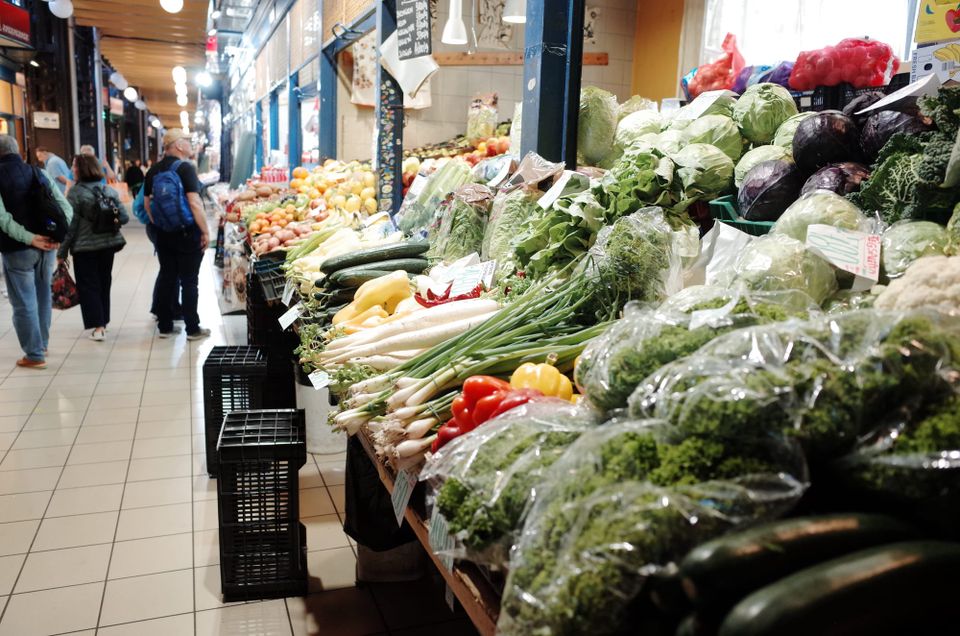
Last night I was at a new community event called The Something More Club. Three talks on running a small business, and beneath all three, the same two themes kept surfacing: human connection, and community.
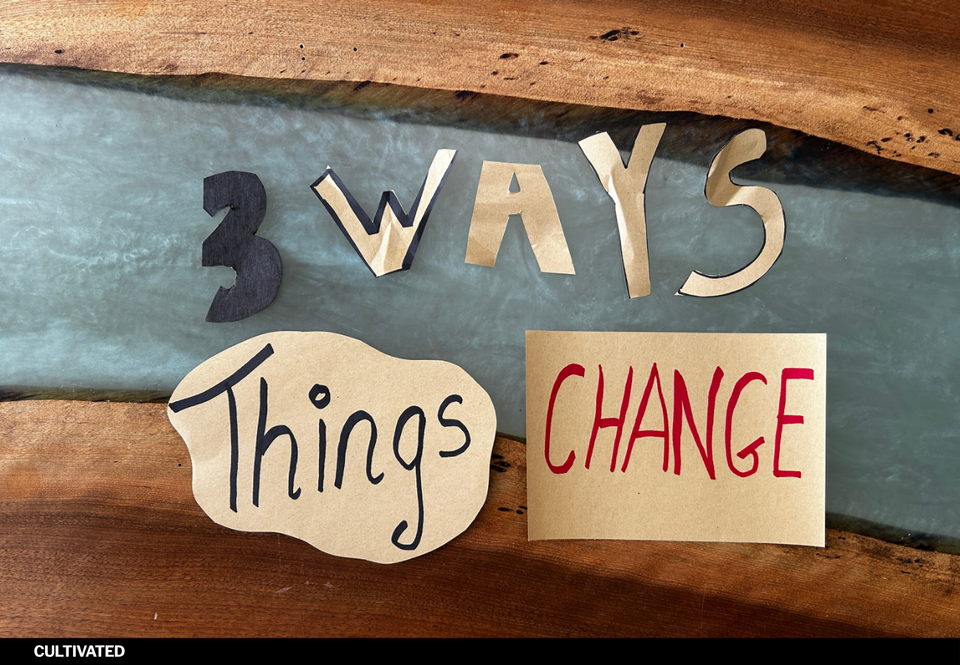
Progress isn't movement — it's seeing. What stop-motion animation reveals about how your ideas actually become valuable.
I bought my copy of Growing a Business second-hand. Inside the cover, in a father's handwriting to his son, was a single line: "To Todd, may this nurture the seed."
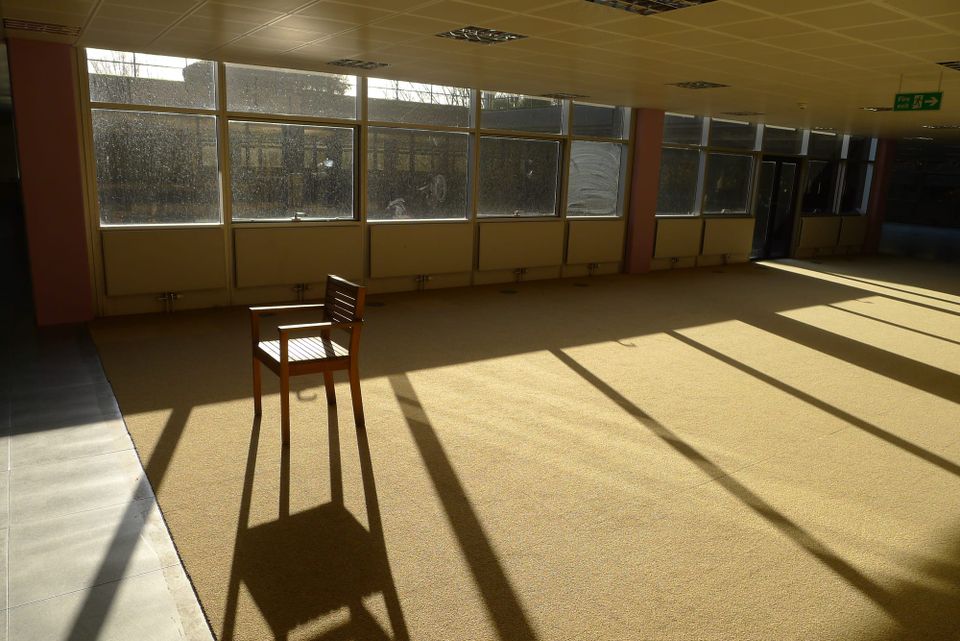
We borrowed our language for organisations from the factory floor. But the parts that decide whether good work happens are the parts no machine can see.

We give a great deal of attention to the people we want to be like. The people we'd hate to become are teaching us something too — if we choose to look.
It's 3pm on a Tuesday. The meeting isn't terrible. The job isn't terrible. But a small voice keeps appearing: is this really all of me?
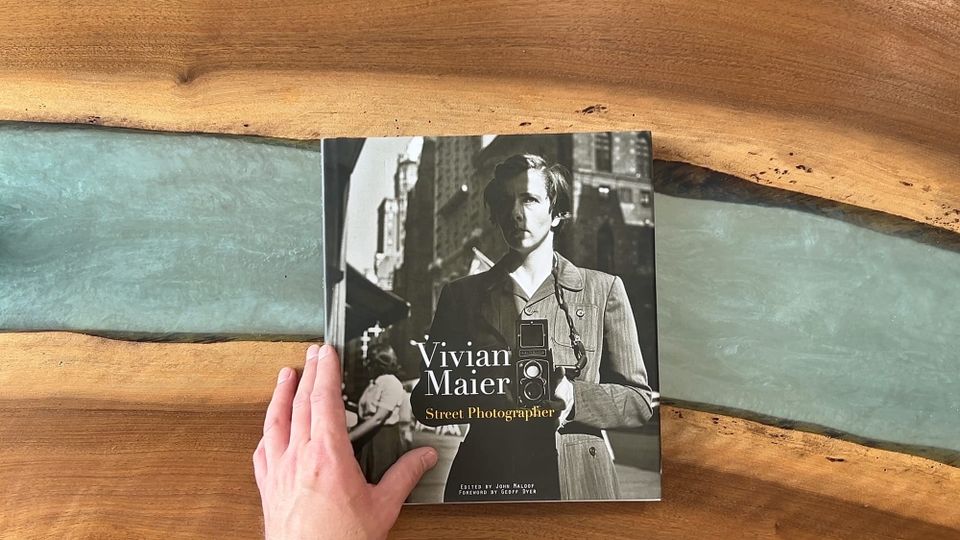
We often use amateur as an insult at work. But the word comes from the Latin for lover — and Vivian Maier's story shows exactly why that matters.

For creativity to emerge it typically needs a different question: how do we discover what might be possible? That requires different conditions. Less friction. More trust. More room for work that can't yet prove its value in a spreadsheet.

We use the word idea casually. But it traces back to a Greek verb meaning to see — and that changes how we understand what ideas actually are, and where they come from.