Cultivated
Things worth noticing




Read Our Latest Posts
Latest Posts

Idea to Value is often mistaken for a delivery model. It is not. It does not prescribe agile, waterfall, or portfolio mechanics. It is a way of seeing.

In every workshop or leadership conversation, someone asks the same question: "What technology would you recommend to solve our problems?" There is always a new option. Always a silver bullet.

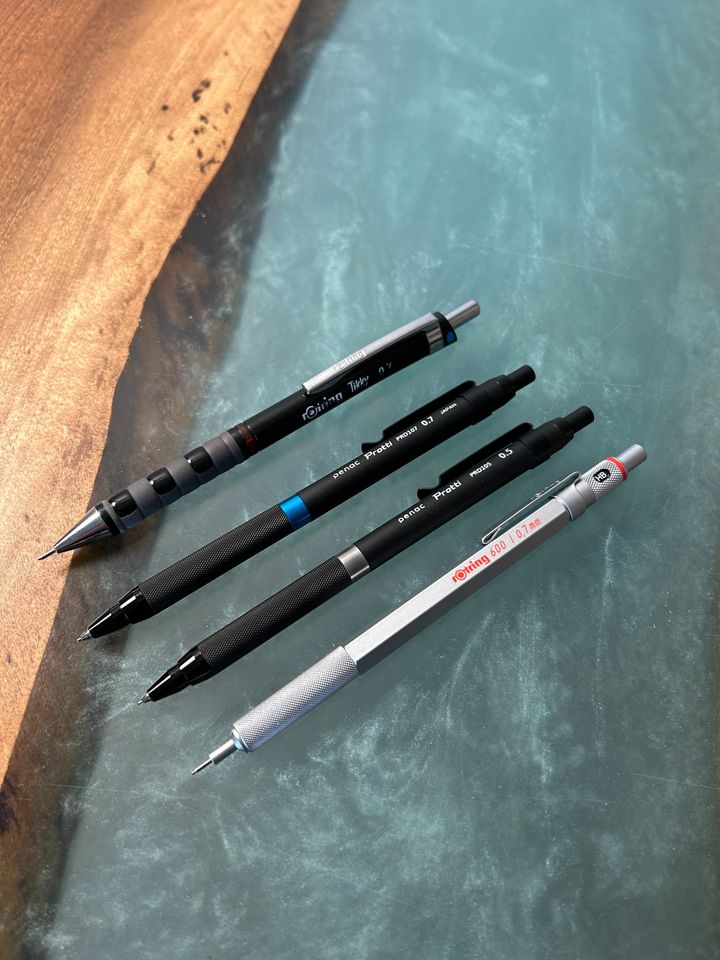
I use a lot of paper. Not out of nostalgia. Not out of rebellion against digital tools. I use paper because it changes how I think.

The economic premise beneath the Idea to Value system is simple: financial value appears only when we create something worth paying for — and someone is willing to pay for it. Everything else inside an organisation is cost.

Most organisational problems are not technical. They are interpretive. People misunderstand intent, fill gaps with assumptions, and react to tone as much as content.

After a keynote last week, someone approached me with feedback that was, shall we say, unvarnished. This happens. There is always someone compelled to offer what I now think of as inflicted help.

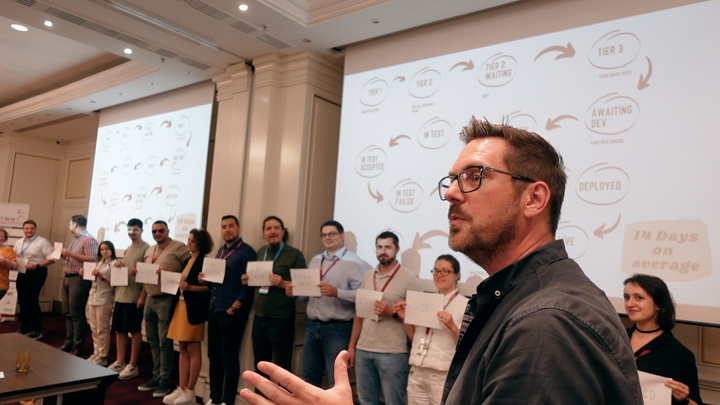
A keynote is not a performance. It is an act of value creation — where a distilled idea meets scarce attention. How to design a talk that earns what the audience gives.

I don't often go into an office. Most of my work happens through video calls, across time zones, with people I rarely meet in person. When I do go in, it's usually London.

Teaching in professional settings is less about charisma and more about structure, intention, and respect for attention. This practitioner reflection explores what makes teaching effective at work.